

Starting a Digital Home Photography Studio"Two key questions to consider."Question from Jade about starting a digital home photography studio -
Answer - Hi Jade,As I am sure you know, this is a vast subject and you will probably receive as many different answers as people you ask. It is possible to spend a small fortune on heavy duty professional equipment which you may not need. Equally, you can start at the very low budget end and find that the equipment is not really up to the job and it lets you down at a critical moment. Before considering any of the alternatives, there are two key questions - 1 - What do you want to photograph? 2 - Do you need any additional equipment at all? I have seen excellent photographs taken indoors using natural light with a plain sheet used as a background. By positioning the subject close to a window facing away from the sun to reduce contrast (hence the reason artists often prefer such light) you may have all you need. If you want some fill in light for the shaded side of the subject then try using a reflector. Again, a simple white board or sheet can do the job or there are inexpensive reflectors on the market. As you progress, try introducing a flash or speedlight. Use it in different positions - off camera and varying its power or distance from the subject. Consider purchasing a second speedlight which can be triggered remotely, either by infra-red or by radio such as a Pocket Wizard. Try all this out and get to know the capabilities of the equipment you already have. By doing so you are bound to improve your own photography and your ability to use one of the fundamental elements to better photographs - LIGHT. Once you have done so, any additional equipment you might need will become obvious. When it comes to light, there are many books available on the subject and those which have been recommended by better-photographs.com readers can be found in the "Good Books" section. In addition, there are DVDs available. Some of the best are by the world renowned photographer - Damien Lovegrove. I have had the pleasure of working with Damien and have learned a great deal from his excellent DVDs. I hope this helps you - do let me know how you get on. Enjoy your digital home photography, John 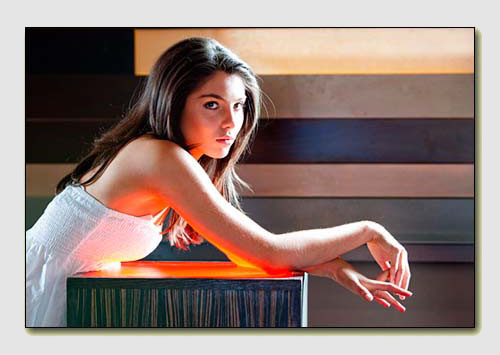
|

 |

| Image of the Month |
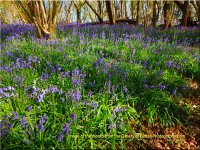 |
| Click here to download it. |
| Find It |

Custom Search
|
| All of the advice, tutorials, masterclasses and ideas on this website are available to you at no charge. Even so, its upkeep does incur costs. |
|
| If you feel that
the site has helped you then any contribution you make, however small,
would go towards its ongoing maintenance and development. Thanks for your help. |
| Book of the Month |
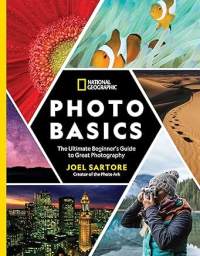 |
| Click here to read the review. |
|
|