Better Photographs Blog
"Summary of What's New"
This is where to find my most recently added pages, along with other news and information that will help you to produce better photographs.
If you have not come across Blogs and RSS before, they have many advantages. They enable you to control what you receive, ensure that you never miss the news that you want and you don't have to keep revisiting your favourite websites to keep up to date on the latest information - click here to find out more.
Photography Technique - How to take better photographs.
Learning and understanding the basics of how to set up the camera yourself actually takes you a long way towards improving your photography technique and therefore taking better photographs.
Continue reading "Photography Technique - How to take better photographs."
New Zealand - A visit to North Island.

New Zealand is a stunning location with photo opportunities wherever you visit.
A New Decade of Helping to Save Wildlife Begins ...
|

Continue reading "A New Decade of Helping to Save Wildlife Begins ..."
Helsinki - Blending the New with the Old.

Helsinki doesn't feature on many people's bucket lists of places to photograph. But with its wide range of classical and modern architectural styles, seaside location with adjacent islands, outdoor museums, and busy event calendar, there's lots to see and do. It's very seasonal, and a good base for onward travel to photogenic locations across the Nordic region.
Continue reading "Helsinki - Blending the New with the Old."
Ireland - A great combination of scenic beauty with its rolling green countryside and spectacular coastlines.

Ireland has a great combination of scenic beauty with its rolling green countryside and spectacular coastlines. It also has excellent historic architecture with the many castles, churches and of course, pubs.
Venice - One of the most interesting cities in the world to visit and photograph.

Venice is truly a unique and beautiful place and one of the only cities that can boast having no roads for motorized vehicles in the main portion of the city.
Continue reading "Venice - One of the most interesting cities in the world to visit and photograph."
Lesvos - A Greek island in the Sun

Lesvos is a very beautiful island. Pine forests, olive groves, and barren mountains, with lots of inland sea, unspoilt countryside, and friendly locals are the draw here! Lots to photograph too.
Komodo National Park - Home of the Dragon

Komodo offers some of the best diving in Indonesia, but there be dragons as well.
Continue reading "Komodo National Park - Home of the Dragon"
Costa Rica - An adventure right from the start.

The adventure across central Costa Rica began with drive through Braulio Carillo National Park, lush and mountainous.
Continue reading "Costa Rica - An adventure right from the start."
The influence of 'Born Free' ...
|
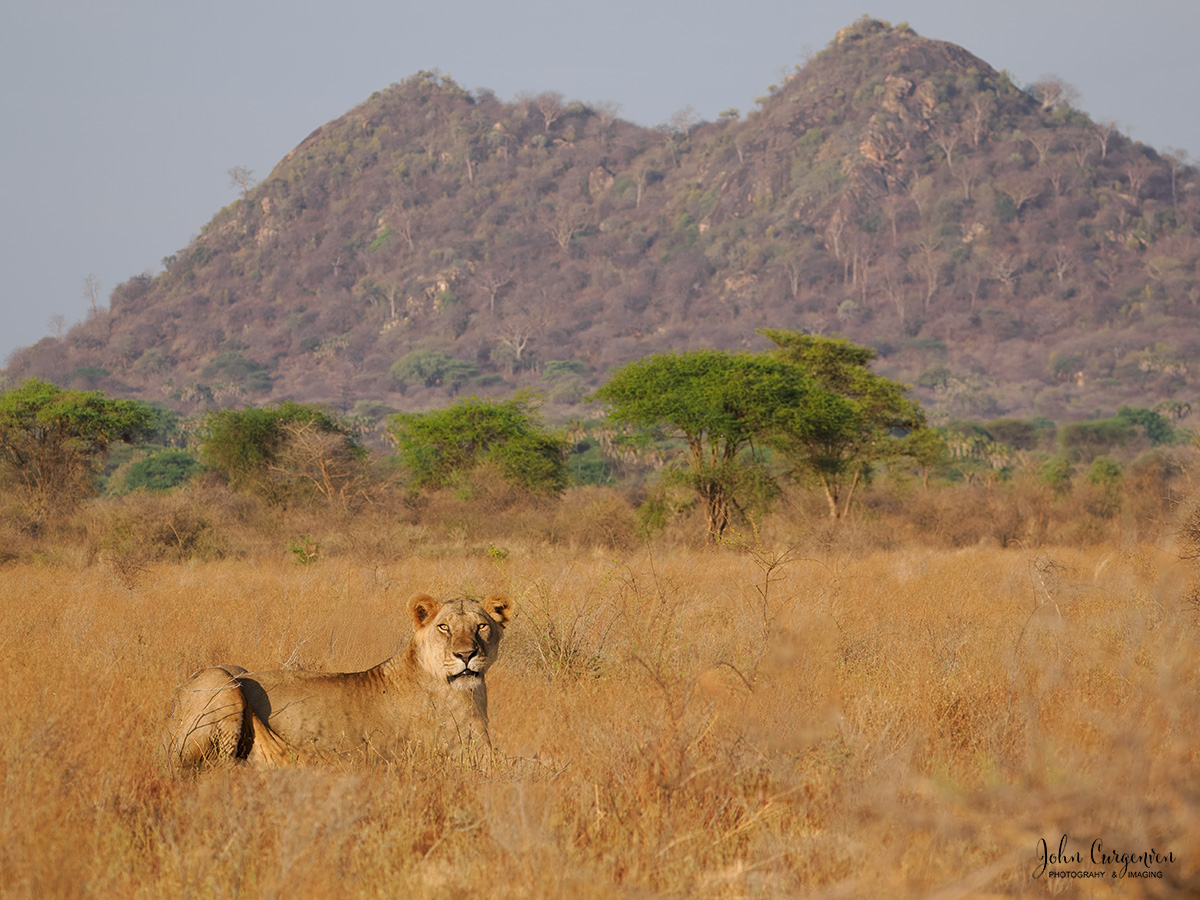
The Golden Triangle - A Magical Tour of India

Travelling the Golden Triangle presents many opportunities for better photographs with a difference.
Continue reading "The Golden Triangle - A Magical Tour of India"
More about Subjects we Photograph ...
|

Landscape Photography - Thoughts from the Master on how to take the best images.

Landscape Photography through the eyes of Charlie Waite - now widely revered internationally as the doyen of English landscape photographers.
Continue reading "Landscape Photography - Thoughts from the Master on how to take the best images."
Panorama Photography - The All Around View.

Panorama Photography enables you to capture the total grandeur of the scene that a single wide angle lens setting simply misses.
Continue reading "Panorama Photography - The All Around View."
Travel Photography Masterclass - How to take pictures that inspire the viewer.

Of the few photographers who could present a credible travel photography masterclass, Julian Comrie has a lifetime of experience in taking stunning pictures which is acknowledged at the highest level.
Continue reading "Travel Photography Masterclass - How to take pictures that inspire the viewer."
Great Wildlife Pictures - How to take that Special Photo.

Wish you had taken those great wildlife pictures? Well here's how you can.
Continue reading "Great Wildlife Pictures - How to take that Special Photo."
Close up Photography - Sometimes flash is the only option.

Using flash for close up photography of insects, other invertebrates and flowers in the field.
Continue reading "Close up Photography - Sometimes flash is the only option."
Super Macro Photography - Up Close with Greater Depth.

A Super Macro Photography technique enabling you to achieve greater depth of field when using a wide aperture.
Continue reading "Super Macro Photography - Up Close with Greater Depth."


 |

| Image of the Month |
 |
| Click here to download it. |
| Find It |

Custom Search
|
| Book of the Month |
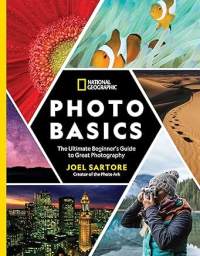 |
| Click here to read the review. |
